 AI sports analysis · Product Designer
Designed Glitch from a Polymarket assistant to an App Store release
Iterated through many hypotheses working closely with the founder. Delivered everything from precise design assets to promo videos.
A Phantom concept became a client project
I posted a personal concept on X: an AI chat inside the Phantom wallet. The founder of Glitch saw his own idea in it and reached out.
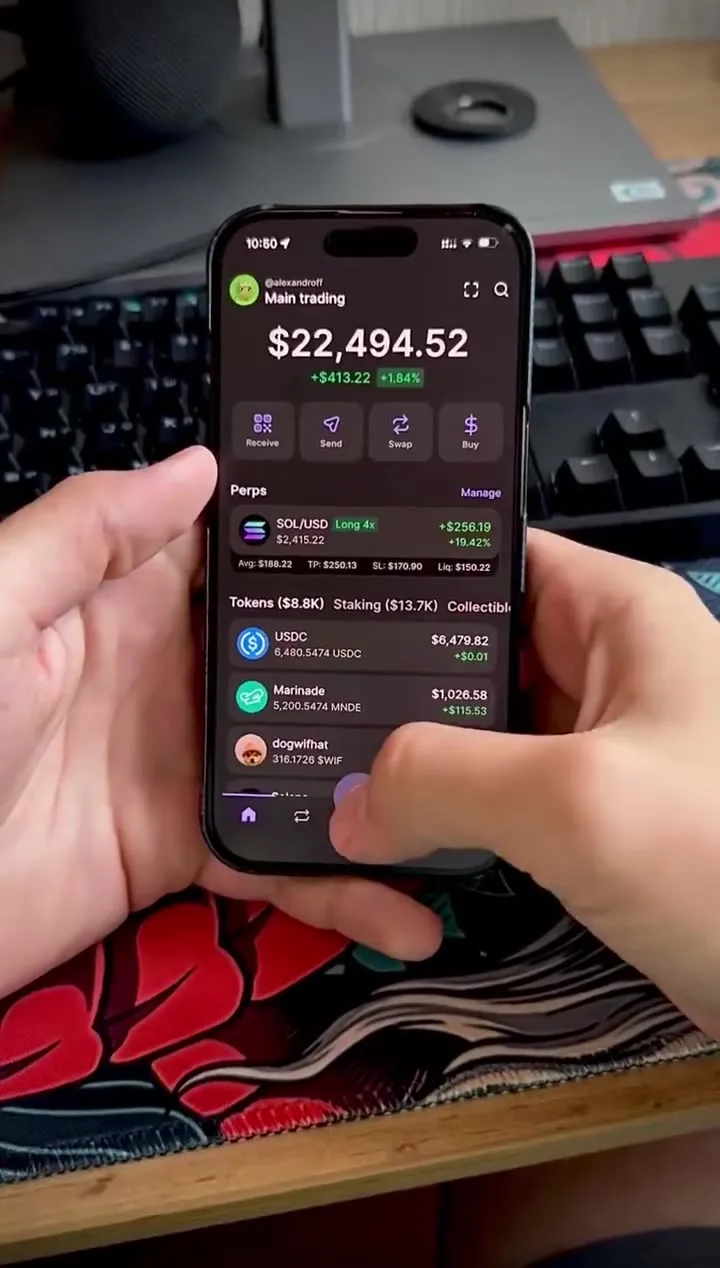
When I joined, there were only a few simple mockups to show the main ideas. I designed the product from scratch and worked through the core features with the founder, who also built the back end, and our front-end developer.
The first idea was a conversational way to use Polymarket. You could ask Glitch about a market, get analysis and recommendations, and buy a position without leaving the chat.
From a Polymarket operator to a sports analyst
The product changed shape as we worked on it. For the version we wanted on the App Store, we removed betting, payments and on-ramping. The focus narrowed to AI analysis of sports, leaving politics and other markets behind.
The founder drove the product ideas. My part was to work out how each one would feel and function: what seemed useful, where an idea got too complicated, and how to make a flow easier to use. We went through several visual directions along the way.
Every bet gets a grade
The sports version was built around one letter. Each pick got a grade from A+ to F, based on the gap between its price and what Glitch's analysis thought it was worth.
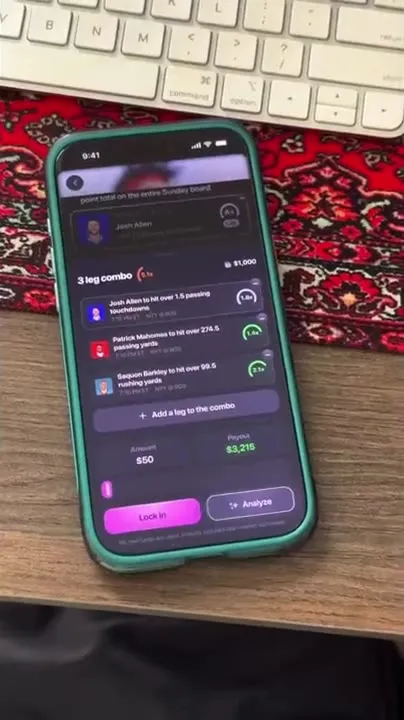
A whole slip could be checked the same way. Add a few legs and Glitch graded the combo, then explained what held it together and where it could fall apart. Price, edge and payout each had a plain explanation one tap away.
$1,000 in paper money
Without real betting, people needed a reason to come back. Each week they got $1,000 in paper money to lock in picks, follow the results and compare themselves with other players.
Nightly recaps and a weekly report showed what hit and what missed. The leaderboard turned a week of picks into something to show friends.
The flow we dropped
We spent a lot of time on onboarding as the product changed. One version grew to more than twenty steps. I thought we were asking too much of someone who hadn't used the product yet.
I prepared a test flow and a questionnaire, then sent them to the founder before running the study with friends. He went through it himself and came back wanting to drop that version. We changed direction before the study ran.
For quicker checks, I built interactive web prototypes, opened them on my iPhone and handed the phone to friends. Those sessions were informal and separate from the planned study.
The waitlist and the motion around it
My work went past the app screens. Around the release I also made:
- The waitlist landing page and its motion
- Microinteractions inside the app
- The store screenshots
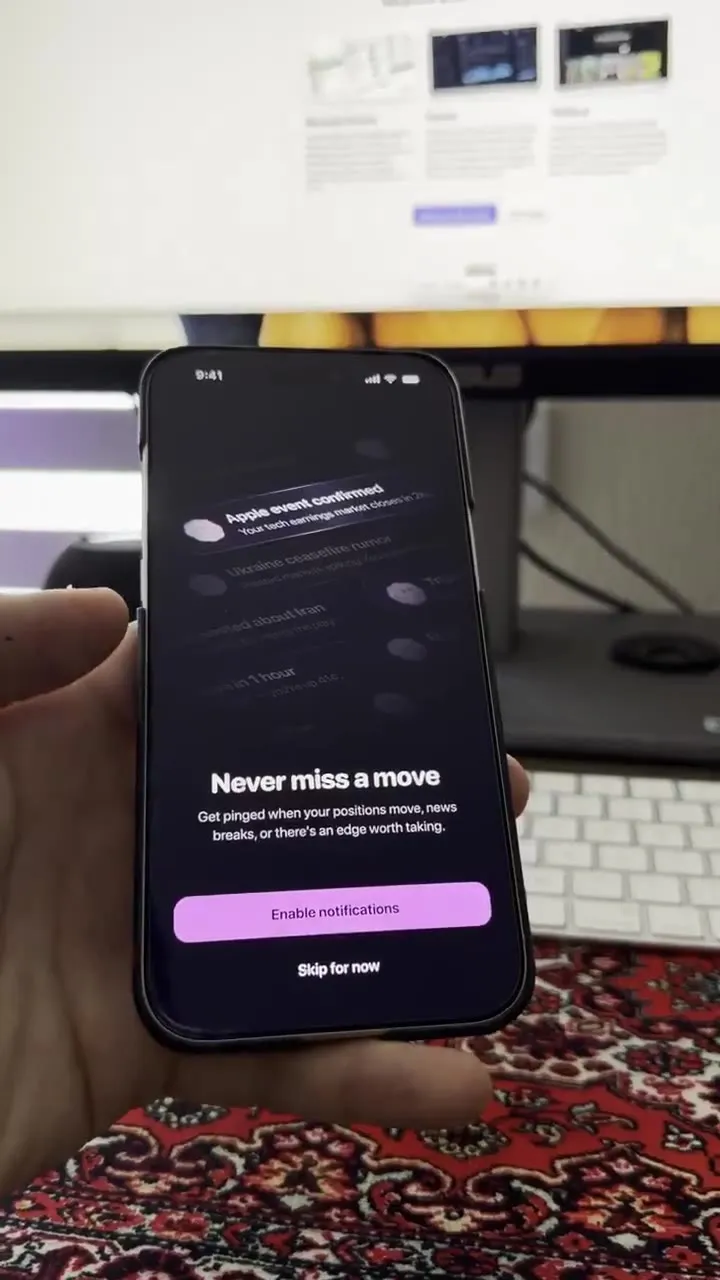
- Screen recordings and videos for TikTok
Released, then sunset
- Glitch reached the App Store with a waitlist and a few paying users.
- We didn't find product-market fit. After several iterations, the founder decided to close it.
It's still my favourite client project. I worked on it from the first layouts to the release, with room to contribute across the app, the prototypes and the launch materials.
“Harry is a rare combination of speed, creativity, and low ego. He doesn't just execute, he proactively pushes ideas forward without being asked, takes product feedback really well and iterates fast. Working with him has been one of the best parts of building our product.”

Musashi
Founder, Glitch